
Recovery and Wellness Coaching
Individual, family and group coaching that starts with your goals, strengths and resources.
Arrange a Free ConsultationSupport for Everyday Recovery
Recovery and wellness coaching focuses on the goals you want to bring into daily life. We start with what is important to you, what is already helping and the resources you can build on.
You may want to talk through a goal that feels hard to carry into the week, identify support you can turn to, or consider what health and wellness mean in your current circumstances. Coaching begins with those practical concerns. We ask what you want to work on and what resources are already part of your life, rather than prescribing a single definition of recovery.
Meet Our Recovery and Wellness Coaches
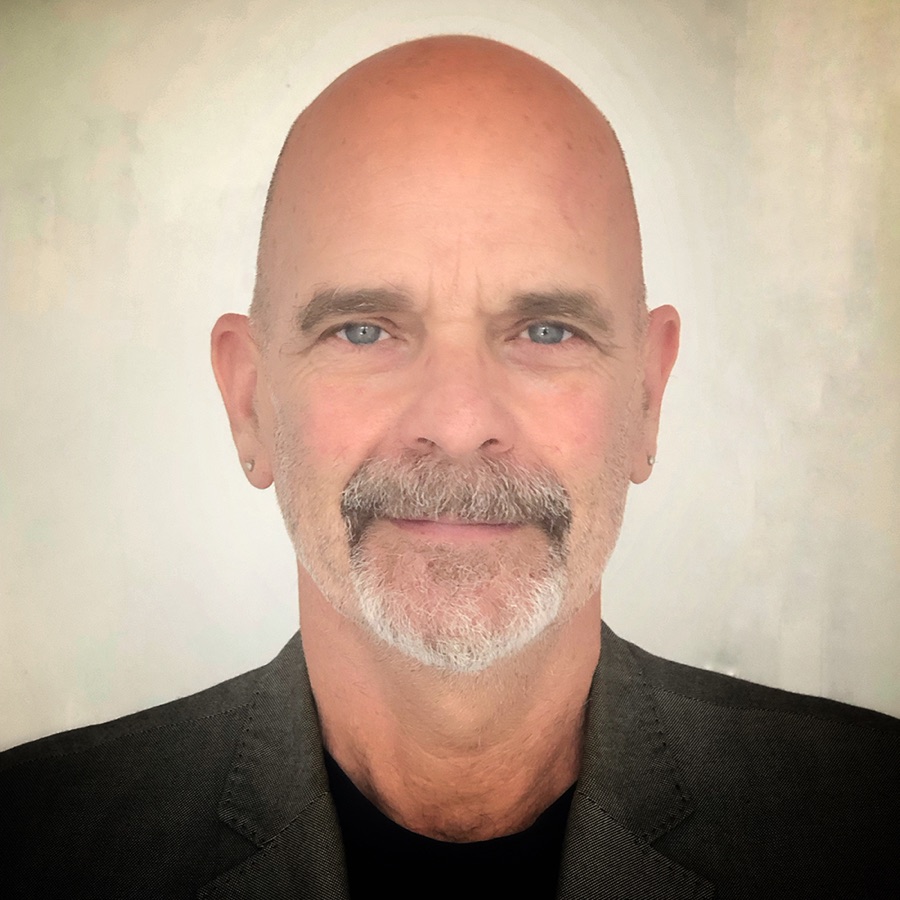
Many Pathways Are Worth Celebrating
Recovery does not have to follow a single approach. Coaching makes room for your priorities and your definition of progress, without judgment or a prescribed idea of what your life should look like.
A coaching conversation can include a goal you have named, the circumstances that make it difficult and the support you might draw on. You can discuss what you have tried and what you want to consider next. Family members can also ask about their own priorities and resources. Coaching is distinct from therapy and psychiatric medication management; ask which service fits the concerns you bring.
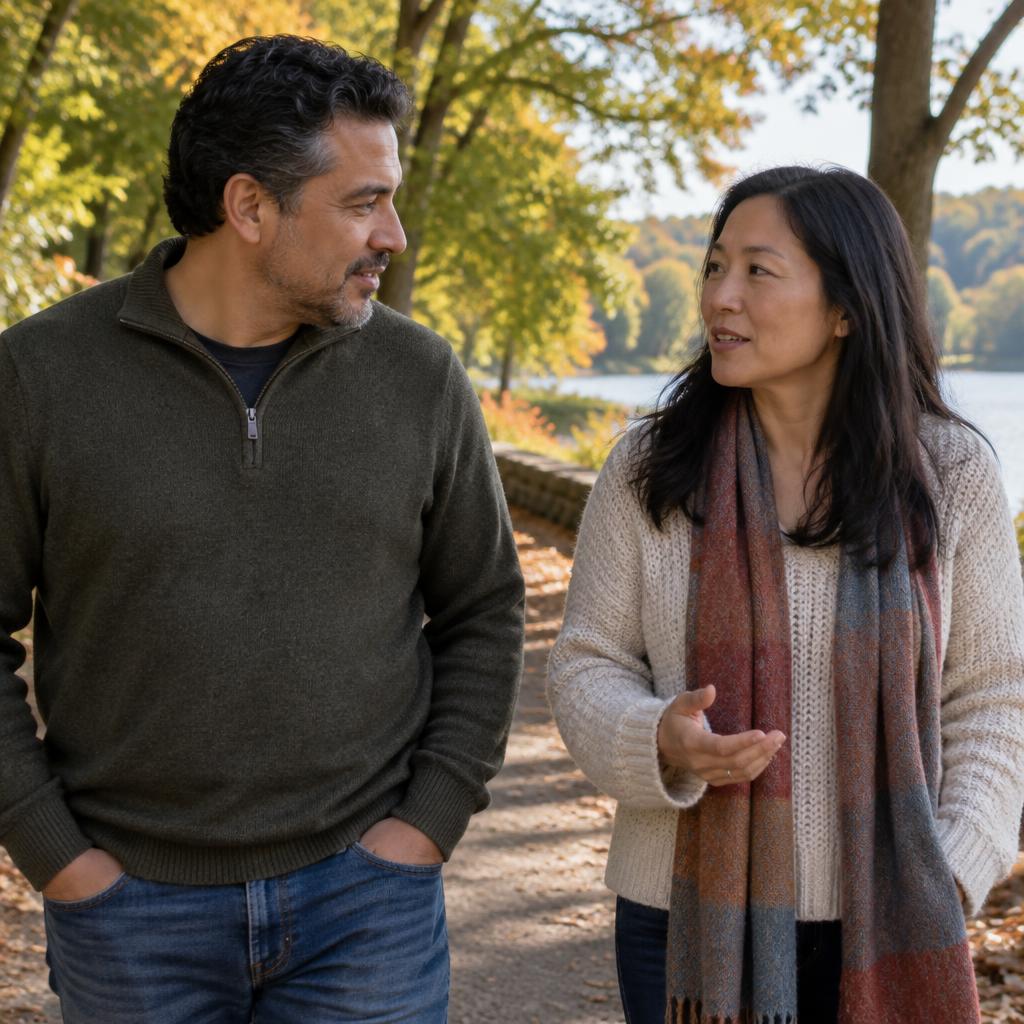
A Goal You Can Put Into Words
A goal does not have to describe your whole future. It can begin with a part of everyday life you want to discuss, such as the support around you, a routine you are trying to change or a question about wellness. The details give a coaching conversation something concrete to work with.
You can bring questions about what helps you follow through and what gets in the way. A coach can talk with you about your goals, strengths and resources without asking you to adopt someone else’s priorities. The conversation leaves room to reconsider what matters as your circumstances change.
For family or group coaching, ask about the concerns each person wants to bring and current formats. We can explain how coaching differs from counseling before you decide what to request. If mental health or medication questions need clinical attention, those are reasons to discuss the other services within the practice.

For Individuals, Families and Groups
Coaching is available for individuals, families and groups. We can discuss how practical recovery support differs from therapy and which service fits the kind of help you are seeking.
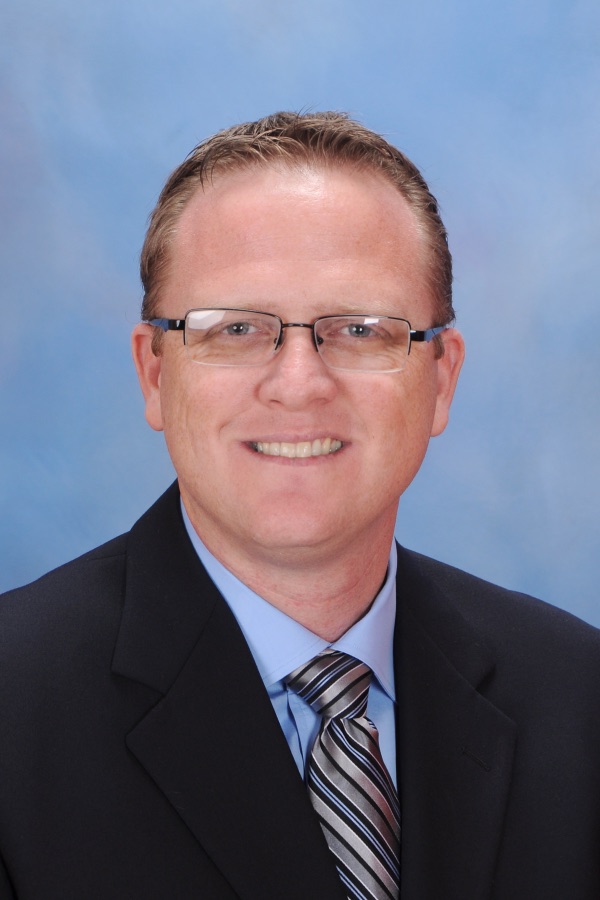
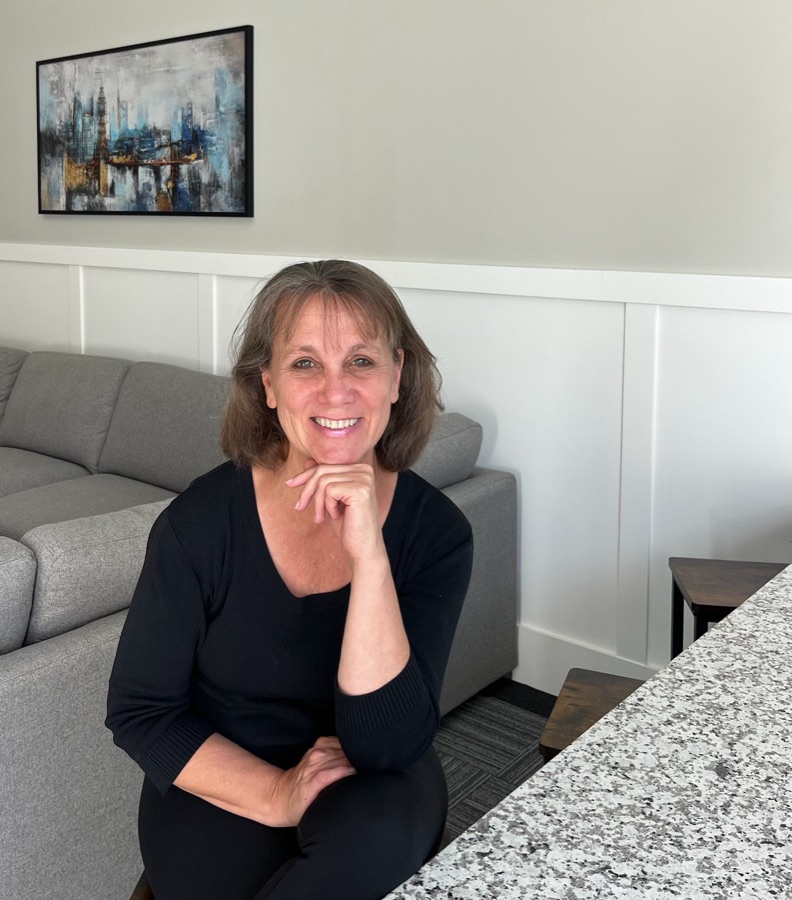
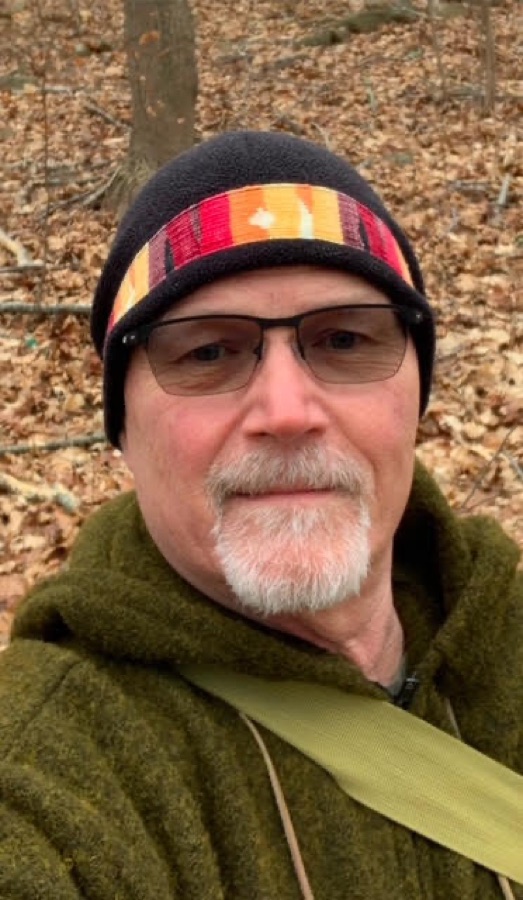
Marshall Rosier, LADC, CPRWC, Karen Bernetti, Edmund Lizotte and Anthony Eldridge-Rogers are our recovery and wellness coaches. Their profiles contain their own accounts of their work. During a free 15-minute consultation, ask about a coach, appointment format and current availability. CTACC offers office, in-home and Connecticut telehealth care, but availability varies by service. Ask us about coaching rates and whether your plan covers coaching.
Bring Your Goals to a Conversation
Ask about recovery and wellness coaching during a free 15-minute consultation.